


Here's a quick, clear breakdown of what each one does and how to get both.
If you've ever stood in the supplement aisle wondering whether you need a probiotic or a prebiotic, you're not alone — the terms get used almost interchangeably, but they do very different jobs.
Probiotics: the good bacteria
Probiotics are live microorganisms — think Lactobacillus or Bifidobacterium — that add beneficial bacteria directly to your gut.
You'll find them in fermented foods like yogurt, kefir, kimchi, sauerkraut, and kombucha, or in supplement form measured in CFUs (colony-forming units).
Once they arrive in your gut, they help crowd out harmful bacteria, ease digestive symptoms, and support immune function.
Prebiotics: food for those bacteria
Prebiotics aren't alive at all. They're a type of fiber your body can't digest, so they travel to your colon intact, where your existing gut bacteria ferment them for fuel.
Good sources include garlic, onions, bananas, oats, lentils, and other legumes.
As bacteria break this fiber down, they produce short-chain fatty acids that nourish your gut lining and help keep inflammation in check.
A simple way to remember it
Probiotics are the seeds. Prebiotics are the fertilizer.
One adds good bacteria; the other feeds the bacteria you already have.
So which one do you need?
Honestly, both. Probiotics can help after something disrupts your gut — like a course of antibiotics — while prebiotics are more of a daily foundation, since most people don't get enough fiber anyway. Eating both together (sometimes called a synbiotic approach) helps probiotic bacteria survive and do their job better.
The easiest path: Build meals around fiber-rich plants (your prebiotics) and add fermented foods regularly.
|
|
|
|
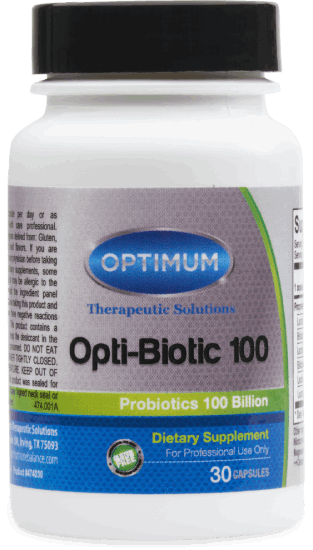
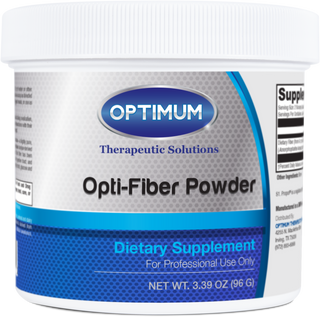
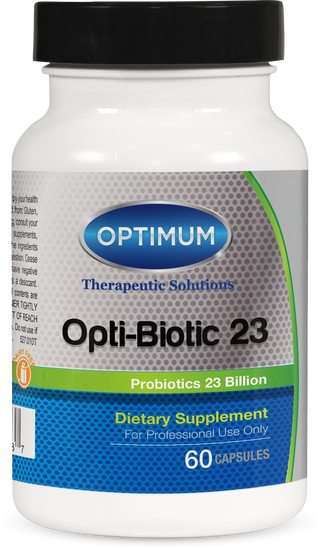
Save supplements for when diet alone isn't cutting it, and check with your doctor first if you have a weakened immune system or an underlying health condition.
- Will Be adding the Product Here to promote
Save supplements for when diet alone isn't cutting it, and check with your doctor first if you have a weakened immune system or an underlying health condition.
Advisory - This article is for general information only and isn't a substitute for medical advice.


